





The Hearing Aid That Disappeared
The hearing aid that disappeared.
From the cord around Grandpa's neck to a hearing aid that hides inside your ear. Seventy years, five objects, one happy ending.

For most of the last century, the biggest problem with hearing aids wasn't the sound. It was that everybody could see them. Walk through the rooms below and watch the hearing aid get smaller, and smaller, and then vanish.
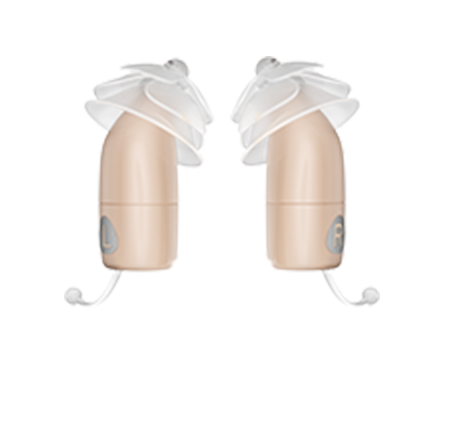
The body-worn hearing aid
A receiver sat in the ear. A cord ran down the neck. The amplifier, roughly the size of a pack of cards, rode in a shirt pocket or under clothing, where every rustle of fabric came through loud and clear.
What it meant for the wearer: everyone in the room knew.
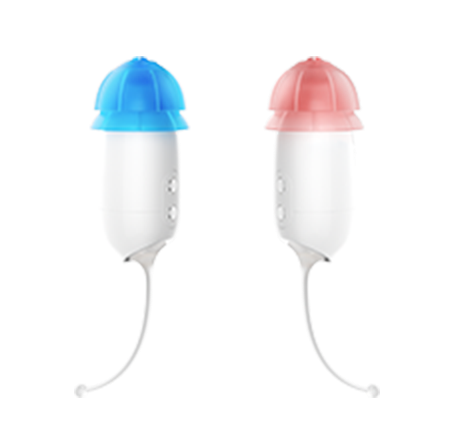
Behind the ear
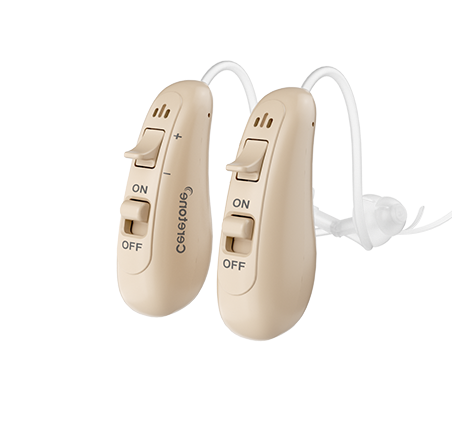
The cord was gone, and that felt like progress. But the curved case sat on top of the ear in plain sight, a tube ran down into the ear canal, and it fought with eyeglasses for the very same spot.
What it meant for the wearer: smaller, but still the first thing people noticed.
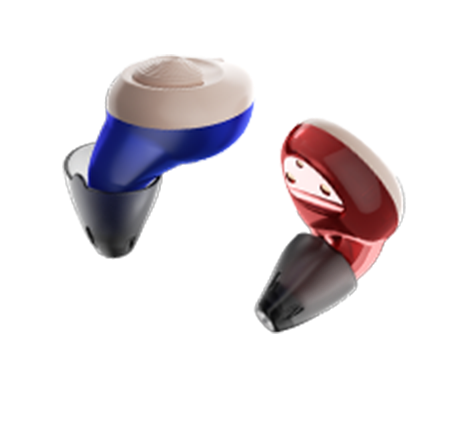
The custom in-the-ear aid
Molded to fill the bowl of the ear and, by the late '90s, digital inside. The sound got much better. But getting one meant an exam, an ear impression, several clinic visits and a bill in the thousands.
What it meant for the wearer: better hearing, if you could afford the time and the price.
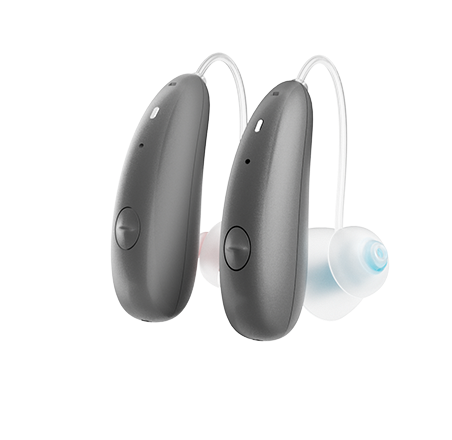
The store shelf
In 2022, the United States began allowing adults with mild to moderate hearing loss to buy hearing aids over the counter, with no prescription and no exam. For the first time, a hearing aid could be bought much like a pair of reading glasses.
What it meant for the wearer: no clinic, and a price that finally made sense.

Core One Pro
1.2 grams. It sits inside the ear canal, with only a thin clear thread to lift it out. No cord, no tube, nothing behind the ear. No app, no clinic, no batteries to change. A hearing-aid chip from Intricon, a U.S. company with 40 years in hearing technology, brings voices forward and pushes background noise back.
What it means for the wearer: you can wear it to dinner, and nobody has to know.
Hearing aids got smaller every decade. What kept people from wearing them never changed: other people could see them. Object 05 is the one in this gallery you could wear to Sunday dinner without anyone knowing.
What visitors wrote
"I have paid $3,000 for IIC hearing aids that do not hold a candle to these, and they're the only ones that actually fit totally into my ear canal."
Rita G., verified buyer"They're virtually invisible they're so tiny. I could hear my husband in the next room while he was whispering."
Verified buyer"My husband uses other brands and said this one is the best so far. He forgot he was wearing them. They are totally invisible."
Verified buyer"TV volume went from 35 to 18. Finally, I can hear great. Comfortable all day."
Patricia W., verified buyerRated 4.2 out of 5 by more than 500 verified buyers on ceretone.com

Take the last exhibit home.
- Core One Pro pair + charging case$299
- 4 extra pairs of soft ear tipsFree
- 3-month warranty extensionFree
- Phone appointment with a hearing specialistFree
- UPS Ground shipping, arrives by next weekFree
Sorry, something went wrong. Please call (866) 283-4262 or order from the product page.
One payment of $299. No subscription, nothing renews. HSA and FSA accepted. Afterpay and Affirm available at checkout.
Before you go
Is it right for me?
It's made for adults with mild to moderate hearing loss: the TV louder than others like, asking people to repeat, losing the thread in restaurants. Not for severe or profound loss.
Do I need a smartphone?
No. No app, no pairing. Volume is a button on the case; double-tap by the ear to change programs.
Do I need a hearing test?
No prescription or exam is required for an over-the-counter hearing aid.
How long does it last?
Up to 20 hours per charge, plus about 80 more hours stored in the pocket-size case.
Will it fit my ear?
Four sizes of soft tips are in the box, and a specialist will help you find your fit by phone, free.
The first few weeks
Your brain needs a few weeks to get used to sounds it hasn't heard in a while. That's why the trial is 100 days.

