






Why Are Hearing Aids So Expensive? Costs, Technology, and Affordable Options Explained

May 12, 2026
12 min read
If you’ve recently started researching hearing aids for yourself or a family member, you may have experienced immediate sticker shock. It’s not unusual for traditional prescription hearing aids to cost anywhere from $3,000 to over $7,000 per pair.
For many people, the first reaction is simple:
“How can something so small cost more than a laptop or smartphone?”
It’s a fair question.
The truth is that hearing aids are far more complex than basic audio devices. Modern hearing aids combine advanced sound-processing technology, miniature hardware engineering, medical-device regulations, and — in many cases — bundled professional services from hearing clinics.
At the same time, the hearing industry has changed dramatically in recent years. Hearing aids has become more accessible thanks to the rise of OTC hearing aids.
In this guide, we’ll explain:
- Why hearing aids are traditionally so expensive
- What consumers are actually paying for
- Why prescription hearing aids often cost more than OTC models
- Whether expensive hearing aids are always worth it
- How OTC hearing aids like the Ceretone Core One Pro and Ceretone Torch help lower the cost barrier
Why Do Hearing Aids Cost So Much?
Hearing aids are not simply “tiny speakers” that make everything louder.
Modern hearing aids are highly specialized sound-processing devices designed to help users hear speech more clearly while reducing unwanted background noise in real-world environments.
That’s much harder than it sounds.
For example, hearing aids may need to help someone:
- Follow a conversation in a noisy restaurant
- Hear TV dialogue more clearly
- Distinguish speech from wind or traffic noise
- Adjust automatically between quiet and loud environments
- Prevent whistling or feedback
- Deliver all of this inside a device small enough to fit comfortably in or behind the ear
This combination of miniaturization, software, and acoustic engineering is one reason hearing aids can become expensive.
However, the device itself is often only part of the total cost.
What Are You Actually Paying For?
Many consumers assume the entire price goes toward the hardware. In reality, traditional hearing aid pricing often includes several different cost components bundled together.
Typical Prescription Hearing Aid Cost Breakdown
| Cost Component | What It Covers |
|---|---|
| Device hardware | Microphones, processors, receivers, batteries |
| Sound-processing software | Noise reduction, speech enhancement, feedback management |
| Research & development | Acoustic engineering and testing |
| Professional hearing exam | Audiology evaluation and hearing assessment |
| Device fitting & programming | Personal adjustments by a hearing professional |
| Follow-up appointments | Fine-tuning over months or years |
| Warranty & support | Repairs, servicing, replacements |
| Clinic overhead | Staff, office, equipment, operations |
This is one reason two hearing aids with somewhat similar hardware may still have very different prices depending on how they are sold.
In many traditional clinic models, consumers are paying not only for the hearing aid itself, but also for bundled professional care and long-term service.
1. Hearing Aids Use Extremely Advanced Miniature Technology
One of the biggest reasons hearing aids are expensive is the engineering challenge involved.
Modern hearing aids may contain:
- Multiple microphones
- Digital sound processors (DSP)
- Noise reduction systems
- Directional audio technology
- Feedback cancellation
- Rechargeable battery systems
- Bluetooth or app connectivity
- Environmental sound adaptation
Unlike consumer earbuds, hearing aids must process sound in real time with extremely low delay. Even small timing problems can make speech sound unnatural.
At the same time, everything has to fit into a tiny device designed to be worn comfortably for hours every day.
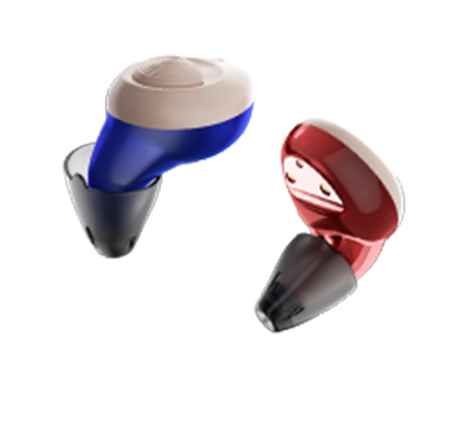
For example, invisible-in-canal (IIC) hearing aids like the Ceretone Core One Pro are designed to sit discreetly inside the ear canal while still supporting clear, everyday listening.
That level of miniaturization increases manufacturing complexity significantly.

2. Hearing Aids Require Sophisticated Sound Processing
Helping people hear speech clearly is far more complicated than simply increasing volume.
In real-world listening environments, hearing aids must constantly analyze and adjust sound in milliseconds.
For example, a hearing aid may need to:
- Reduce background restaurant noise
- Emphasize nearby speech
- Suppress wind sounds
- Prevent feedback whistling
- Adjust volume automatically between environments
Developing these sound-processing systems requires years of acoustic research, software development, and testing.
This is especially important because hearing loss affects people differently. Some users struggle more with high-frequency sounds, while others have difficulty separating speech from background noise.
The technology must adapt to many different situations.
3. Traditional Hearing Aid Prices Often Include Professional Services
One of the biggest reasons prescription hearing aids cost more than OTC models is the traditional clinic-based sales model.
When purchasing hearing aids through an audiology clinic, the total price often includes:
- Hearing evaluations
- In-person fitting appointments
- Device programming
- Real-ear measurements
- Follow-up adjustments
- Cleaning and maintenance visits
- Long-term support
These services can be valuable, especially for individuals with more severe or complex hearing loss.
However, they also increase the upfront cost substantially.
In many cases, consumers are paying for several years of bundled service whether they fully use those services or not.
4. Hearing Aids Are Regulated Medical Devices
Modern hearing aids require extensive product testing, engineering, and quality control to ensure consistent everyday performance.
Manufacturers must meet standards related to:
- Safety
- Sound output limits
- Device reliability
- Labeling requirements
- Quality control
Unlike ordinary audio amplifiers or cheap online gadgets, legitimate hearing aids must comply with medical-device regulations.
Meeting these standards adds development and manufacturing costs, but it also helps ensure users receive safer and more reliable products.
5. Hearing Aids Sell in Much Smaller Volumes Than Consumer Electronics
Consumer electronics like earbuds and smartphones are sold in enormous quantities worldwide.
Hearing aids serve a much smaller market.
Lower production volume means:
- Higher manufacturing cost per unit
- Higher R&D cost allocation
- Less economy of scale
This is another reason hearing aids typically cost more than many other small electronic devices.
Why Were Hearing Aids Historically So Expensive?
For decades, hearing aids were primarily sold through hearing clinics using a bundled pricing model.
Before OTC hearing aids became more widely available online, consumers generally needed:
- A hearing evaluation
- Professional fitting
- Clinic appointments
- Prescription-style purchasing process
This created a system where professional services and hardware were often packaged together into one large upfront price.
In addition, hearing aids have historically had limited insurance coverage in the United States, meaning many consumers paid out of pocket.
The result was a market where hearing aids often remained financially inaccessible for many adults with mild to moderate hearing loss.
How OTC Hearing Aids Help Lower the Cost
OTC hearing aids have helped make hearing support more accessible and affordable for many adults with perceived mild to moderate hearing loss.
OTC hearing aids lower costs in several ways:
| Traditional Prescription Model | OTC Hearing Aid Model |
|---|---|
| Often sold through clinics | Available online or in stores |
| Professional fitting required | Self-fitting or app-guided setup |
| Multiple appointments | Designed for home use |
| Bundled service pricing | Lower upfront cost |
| Typically higher total cost | Often more affordable |
However, OTC hearing aids are not appropriate for everyone.
Individuals experiencing severe hearing loss, sudden hearing changes, dizziness, ear pain, or medical symptoms should consult a licensed healthcare professional.
Are Expensive Hearing Aids Always Better?
Not necessarily.
More expensive hearing aids may offer advantages for people with:
- Severe hearing loss
- Complex hearing profiles
- Specialized listening needs
- Desire for extensive in-person support
However, many adults with mild to moderate hearing loss may not require the most expensive prescription system available.
For some users, a well-designed OTC hearing aid can provide sufficient clarity, comfort, and everyday usability at a much lower price point.
The “best” hearing aid depends less on the highest price and more on the individual’s hearing needs, lifestyle, comfort preferences, and budget.
Hearing Aids vs. Basic Sound Amplifiers (PSAPs)
Many consumers also confuse hearing aids with basic sound amplifiers, sometimes called PSAPs (Personal Sound Amplification Products).
There’s an important difference.
Hearing Aids
- Regulated hearing devices
- Designed specifically for hearing support
- Process sound selectively
- Include speech-focused sound optimization
Basic Amplifiers (PSAPs)
- Simply amplify surrounding sound
- Usually lack advanced speech processing
- May increase background noise along with speech
Choosing a high-quality OTC hearing aid instead of a generic amplifier generally provides a more reliable hearing-support experience.

Affordable OTC Hearing Aid Options from Ceretone
Ceretone focuses on helping make hearing support more accessible and approachable for adults exploring OTC hearing aids.
Explore the full Ceretone hearing aid collection to compare styles and features.
Ceretone Core One Pro
Designed for users seeking a more discreet hearing solution.
- Invisible-in-canal design
- Rechargeable convenience
- App-based personalization
- Everyday speech-focused sound support
Learn more about Ceretone Core One Pro.
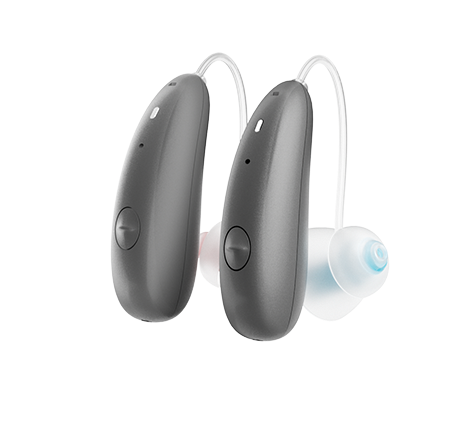
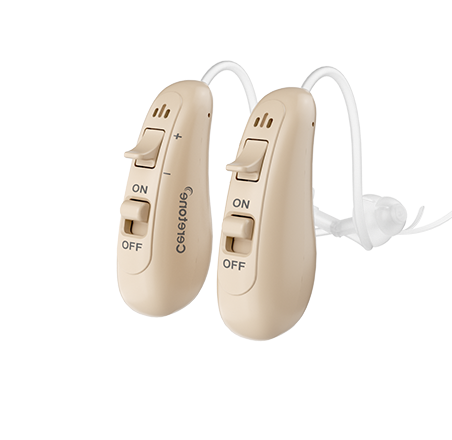
Ceretone Torch
Designed for users who prefer a simple and easy-to-use behind-the-ear style.
- Comfortable fit
- Clear speech support
- Practical controls
- Rechargeable design
Learn more about Ceretone Torch.
Frequently Asked Questions
Why are hearing aids so expensive?
Hearing aids combine advanced sound-processing technology, miniaturized hardware, research and development costs, regulatory compliance, and often bundled professional services.
Why do prescription hearing aids cost more than OTC hearing aids?
Prescription hearing aids often include clinic overhead, professional fitting, hearing evaluations, and follow-up appointments in the total price.
Why aren’t hearing aids fully covered by insurance?
Coverage varies widely by insurance provider and state. Many adults still pay partially or fully out of pocket for hearing aids.
Are OTC hearing aids safe?
Yes. Many modern OTC hearing aids are designed for adults age 18+ with perceived mild to moderate hearing loss.
Are cheap hearing aids worth buying?
It depends on the product. Well-designed OTC hearing aids generally provide a more reliable experience than basic sound amplifiers.
What’s the difference between OTC and prescription hearing aids?
OTC hearing aids are intended for mild to moderate hearing loss and are designed for self-fitting. Prescription hearing aids are professionally fitted and may better support severe or complex hearing needs.
Final Thoughts: Better Hearing Doesn’t Have to Cost Thousands
Traditional prescription hearing aids continue to play an important role for individuals with complex or severe hearing loss.
However, the hearing industry is changing.
Thanks to the growth of OTC hearing aids and direct-to-consumer option, many adults now have access to more affordable hearing support without the high upfront costs traditionally associated with clinic-based models.
For adults with perceived mild to moderate hearing loss, OTC hearing aids like the Ceretone Core One Pro and Ceretone Torch may provide a more accessible path toward clearer everyday hearing.
Latest Articles


