






Hearing Aids for Seniors: Understanding the Basics After 60

May 27, 2026
13 min read
For many seniors, hearing loss does not begin with silence.
It begins with effort.
A restaurant that used to feel relaxing suddenly becomes exhausting. Family conversations become harder to follow. TV dialogue sounds less clear even when the volume is high. Conversations with grandchildren require more concentration than before.
Many older adults describe the experience in almost the same way:
“I can hear people talking. I just can’t understand the words clearly anymore.”
That difference matters.
Many seniors are not simply looking for a louder sound. They are looking for conversations that feel easier, more natural, and less tiring.
At Ceretone, we often notice that first-time OTC hearing aid users are less focused on technical specifications, they usually ask practical questions:
- Will this help me hear conversations better?
- Will these feel comfortable after several hours?
- Will I actually know how to use them?
- Can I try them without feeling locked into a huge commitment?
Those questions reveal something important:
The best hearing aids for seniors are usually not the ones with the longest feature list. They are the ones people feel comfortable using consistently in everyday life.
Why Hearing Loss Feels Different as We Age
Younger people often imagine hearing loss as if the world simply becomes quieter.
But many seniors experience something more frustrating than silence.
Sound is still there. Conversations are still happening. The problem is that speech becomes harder to separate from background noise.
That is why many older adults struggle most in places like restaurants, family gatherings, church events, or busy stores. The brain has to work harder to follow conversations, especially when multiple sounds compete at once.
Over time, this can become mentally exhausting.
Some seniors eventually begin avoiding noisy environments altogether because listening no longer feels relaxing or automatic.
In many cases, hearing aids are not only about hearing more. They are about reducing the effort required to stay connected to everyday life.
The Moments That Usually Push Seniors to Try Hearing Aids
Most people do not suddenly wake up and decide they need hearing aids.
The decision usually develops through repeated small frustrations.
For some people, television becomes the turning point. Dialogue grows harder to follow even though background sounds still seem loud enough.
For others, restaurants become stressful. Many seniors say they can hear dishes clattering and nearby conversations clearly, yet still struggle to understand the person sitting directly across from them.
Grandchildren are another common moment people mention. Children’s voices are often faster and higher-pitched, making them harder to follow with age-related hearing changes.
At Ceretone, we also notice that many seniors delay hearing aids because they worry the experience will feel complicated or overwhelming. Some expect hearing aids to be uncomfortable, difficult to manage, or overly technical.
That concern is understandable.
The reality is that hearing aids only help when people feel comfortable using them consistently.
Common Misconceptions About Hearing Aids
One of the biggest misconceptions about hearing aids is the belief that more advanced technology automatically creates a better experience.
In reality, many seniors are happier with hearing aids that feel simple, comfortable, and manageable in daily life.
Some first-time buyers spend too much time comparing technical features while overlooking the things that affect everyday use most.
- Does the charging process feel simple?
- Can the hearing aids be worn comfortably for several hours?
- Do conversations feel easier to follow?
- Will the user realistically want to wear them every day?
From working with seniors exploring OTC hearing aids, we often see that usability matters more than people initially expect.
Sometimes the challenge is finding hearing support that fits naturally into everyday routines.
Why Rechargeable Hearing Aids Matter So Much for Seniors
Rechargeable hearing aids have become one of the most meaningful improvements for many older adults.
Tiny disposable batteries can be frustrating for people with arthritis, reduced dexterity, or vision limitations. Replacing them repeatedly may sound like a small issue, but small frustrations add up over time.
Rechargeable hearing aids simplify the experience. Instead of handling batteries regularly, users place the hearing aids into a charger overnight.
That simplicity often reduces anxiety for first-time users.
In practice, hearing aids become easier to stick with when the daily routine feels approachable.
Comfort Matters More Than Most Reviews Suggest
Online hearing aid comparisons often focus heavily on features while barely discussing comfort.
But comfort strongly affects whether hearing aids actually become part of daily life.
A hearing aid can sound impressive during a short demonstration and still fail if it becomes uncomfortable after several hours.
Fit matters more than many people realize. Ear shape, ear tip sizing, and long-term wear comfort all influence the experience.
This is also why adjustment takes time.
Many first-time users initially describe hearing aids as unfamiliar — not necessarily because something is wrong, but because the brain is adapting to sounds it has not processed clearly for years.
Most successful users adjust gradually as hearing aids become part of normal daily life.
For seniors who are completely new to hearing aids, following a gradual adjustment process can make the experience feel much more comfortable. Our 4-Week Hearing Success Plan explains what many first-time users can realistically expect during the first month of wearing hearing aids.
Why Discreet Hearing Aids Matter Emotionally
Older hearing aids were often associated with bulky designs and visibility.
Modern hearing aids are very different.
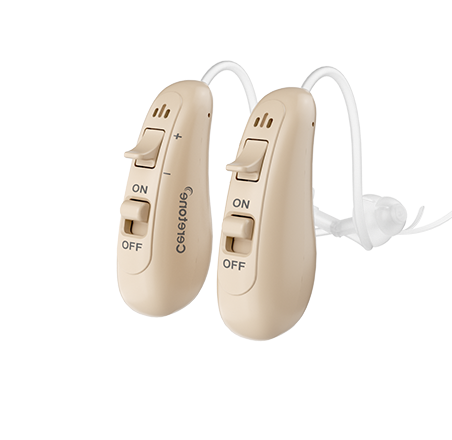
Today, many seniors prefer hearing aids that feel discreet, lightweight, and natural during everyday use. A discreet design can reduce the emotional hesitation some people feel before trying hearing aids for the first time.
This matters because hearing aids are not only connected to hearing.
For many people, they are also connected to confidence, aging, and social comfort.
That is one reason compact OTC hearing aids have become increasingly popular among adults exploring hearing support for the first time.

Why OTC Hearing Aids Changed the Experience for Many Seniors
For years, many older adults delayed hearing care because the traditional process felt intimidating.
Clinic appointments, multiple visits, and large upfront costs discouraged many people from even getting started.
FDA-regulated OTC hearing aids changed that experience significantly.
For adults with perceived mild to moderate hearing loss, OTC hearing aids created a more approachable entry point. Seniors can now compare options online, research at their own pace, and try hearing aids at home without immediately committing to expensive clinical programs.
That flexibility matters because many people simply want practical help with conversations, TV dialogue, and everyday communication.
At the same time, OTC hearing aids are not the right solution for every situation. Seniors experiencing sudden hearing loss, severe hearing difficulty, dizziness, ear pain, or major imbalance between ears should still seek professional medical evaluation.
Being realistic about those boundaries is important.
A Simple 5-Question Test Before Buying Hearing Aids
Before choosing hearing aids, many seniors find it helpful to ask themselves a few practical questions.
- Is my main difficulty understanding conversations rather than complete hearing loss?
- Do I mainly struggle with restaurants, watching TV, or family conversations?
- Would rechargeable hearing aids make daily life easier for me?
- Do I want hearing aids that feel discreet and comfortable during everyday use?
- Am I looking for a practical OTC solution rather than a fully clinic-managed system?
These questions often clarify whether OTC hearing aids may be a reasonable fit.
Who Core One Pro May Be Best For
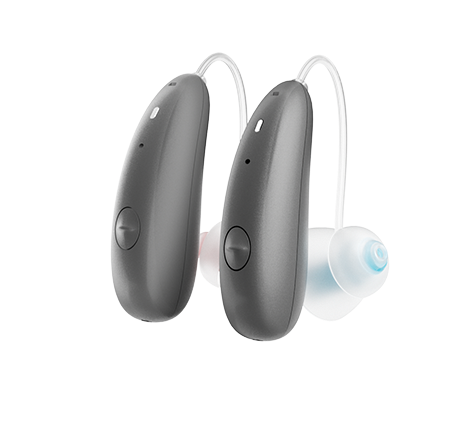
The Core One Pro OTC Hearing Aids were designed for adults who want hearing support that feels approachable and manageable in daily life.
Many seniors exploring OTC hearing aids are not searching for highly technical audio equipment. They simply want clearer conversations, easier TV listening, and hearing support that feels realistic to use consistently.
Core One Pro may be especially suitable for adults who:
- Have perceived mild to moderate hearing loss
- Want rechargeable convenience
- Prefer a discreet design
- Mainly struggle with conversations and TV dialogue
- Want hearing aids that feel approachable for first-time use
At the same time, it is important to maintain realistic expectations.
Core One Pro is not intended to replace medical evaluation for severe hearing loss, sudden hearing changes, or medically complex hearing conditions. Being transparent about those boundaries helps people make more confident decisions.
What the First Week With Hearing Aids Often Feels Like
One thing many first-time users do not expect is that hearing aids can sound unusual in the beginning.
When the brain has not clearly heard certain sounds for years, everyday sounds may initially feel sharper or more noticeable than expected.
“Everything sounds brighter.”
That does not necessarily mean something is wrong. It often means the brain is adjusting.
At Ceretone, we usually encourage new users to start gradually. Many people feel more comfortable beginning in quieter environments before moving into restaurants or larger gatherings.
The important thing is consistency.
Most successful hearing aid users do not adapt in a single day. The experience usually improves gradually as clearer hearing becomes part of everyday life again.
For seniors starting their hearing journey for the first time, having realistic expectations and a gradual adjustment process can make a major difference in long-term success. That is also why we created our 4-Week Hearing Success Plan for first-time hearing aid users.
FAQ: Hearing Aids for Seniors
What are the best hearing aids for seniors?
The best hearing aids for seniors are usually the ones that feel comfortable, easy to use, and realistic for everyday life. Many older adults prioritize rechargeability, speech clarity, comfort, and simplicity over highly technical features.
Are OTC hearing aids good for seniors?
OTC hearing aids can be a good option for seniors with perceived mild to moderate hearing loss, especially people who mainly struggle with conversations, watching TV, or noisy environments.
Are rechargeable hearing aids better for seniors?
For many seniors, yes. Rechargeable hearing aids reduce the need to handle tiny disposable batteries and often make daily use feel simpler and less stressful.
How long does it take to adjust to hearing aids?
Adjustment varies by person. Some seniors adapt quickly, while others need days or weeks for sounds to feel natural again. Consistent use usually helps the process.
When should seniors see a hearing professional instead of using OTC hearing aids?
Seniors should seek professional evaluation for sudden hearing loss, severe hearing difficulty, dizziness, ear pain, ear drainage, or major hearing imbalance between ears.
Final Thoughts
The best hearing aids for seniors are rarely the ones that sound most impressive on paper.
The best hearing aids are usually the ones people feel comfortable using consistently in real everyday situations.
For many older adults, that means prioritizing comfort, rechargeability, speech clarity, simplicity, and confidence during conversations.
Modern OTC hearing aids have made hearing support more accessible and less intimidating than ever before. For seniors with perceived mild to moderate hearing loss, options like the Core One Pro OTC Hearing Aids can offer a more approachable way to improve everyday communication.
Because better hearing is not only about hearing more sound.
It is about staying connected to conversations, family, and daily life.
Latest Articles


