






Are Rechargeable Hearing Aids Worth It? What Really Matters

Jun 29, 2026
6 min read
When people compare rechargeable hearing aids, the first number they usually look for is battery life.
Twenty hours.
Twenty-four hours.
Thirty hours.
It's easy to understand why.
Battery life is measurable. It's printed on every product page. It's something you can compare in seconds.
But we think that number often distracts buyers from a much more important question.
What is it actually like to live with these hearing aids every day?
Because shopping for hearing aids takes an afternoon. Living with them happens every single day.
The Best Hearing Aid Is Usually the One You Stop Noticing
That may sound like an unusual way to judge technology.
But hearing aids aren't like smartphones. You don't buy them because you want another gadget to manage. You buy them because you want to spend less energy thinking about hearing.
The best hearing aid doesn't constantly ask for your attention. Instead, it quietly becomes part of your routine.
Eventually, putting it on in the morning feels no different from putting on your glasses.
That's the experience many rechargeable hearing aids are trying to create.
The Real Benefit of Rechargeable Hearing Aids Isn't Charging
People don't choose rechargeable hearing aids because charging devices is enjoyable.
Nobody wants another device sitting beside the bed.
The real benefit is removing dozens of tiny interruptions that come with disposable batteries.
Think about everything disposable batteries ask you to remember.
- Do you have extras?
- Did you pack them before your trip?
- Is the battery getting low?
- Can you replace it in dim lighting?
- Where did you put the battery package?
Each interruption takes only a moment.
But hearing aids are something you wear every day. Those moments quietly add up.
Rechargeable hearing aids don't eliminate maintenance. They simply make maintenance easier to forget.
Owning a Hearing Aid Is Different From Buying One
Most buying guides focus on specifications.
- Battery life
- Noise reduction
- Bluetooth
- App features
Those things matter.
But ownership feels different from shopping.
After the first week, most people stop thinking about specifications. Instead, they notice routines.
- Is charging simple?
- Does it feel comfortable after several hours?
- Can I put it in without thinking?
- Will I actually remember to wear it every morning?
Those questions rarely appear on product comparison charts, but they often determine long-term satisfaction.
Five Small Moments That Change With Rechargeable Hearing Aids
The differences are rarely dramatic. Instead, they're found in everyday routines.
Before going to bed
Instead of checking battery levels or replacing batteries, you simply place your hearing aids into the charging case.
Before leaving home
There's no need to wonder whether you've packed spare batteries.
During a conversation
You aren't thinking about whether today's battery will last until dinner.
While traveling
You bring one charging case instead of several spare batteries.
After a few months
Perhaps the biggest change is that you stop thinking about your hearing aids quite so often.
And that's probably a sign they're doing their job well.
Rechargeable Isn't Automatically Better
Rechargeable hearing aids aren't the right answer for everyone.
If you frequently spend long periods away from reliable electricity, disposable batteries may provide more flexibility.
Likewise, if remembering to charge devices every night has always been difficult, adding another charging routine may not feel convenient.
Technology should fit your lifestyle. Not the other way around.
What This Means for OTC Hearing Aids
Modern OTC hearing aids have changed more than just how people buy hearing care.
Many newer designs also focus on reducing everyday friction.
The goal isn't simply adding more features. It's making hearing support easier to live with.
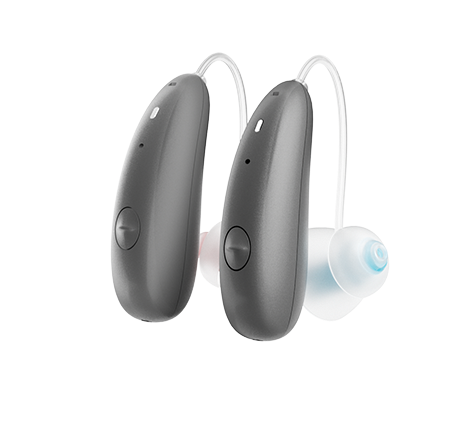
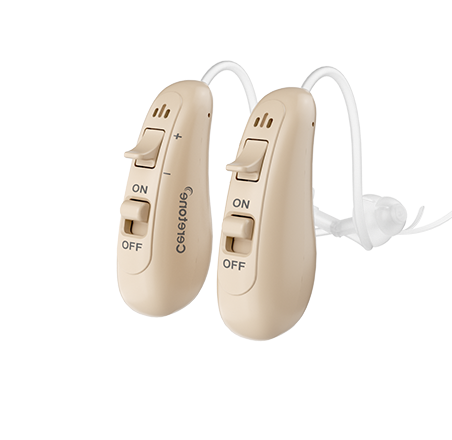
Products such as the Ceretone Torch OTC Hearing Aids follow a similar philosophy.
Rather than expecting users to learn complicated software or constantly fine-tune settings, the focus is on practical everyday use.
- Recharge overnight.
- Wear comfortably throughout the day.
- Make simple adjustments when needed.
- Then get on with life.
That approach won't be the perfect fit for everyone.
But for adults with perceived mild to moderate hearing loss who value simplicity over complexity, it's an approach worth considering.
When Rechargeable Hearing Aids May Not Be the Right Choice
OTC rechargeable hearing aids are intended for adults with perceived mild to moderate hearing loss.
They are not designed for every hearing situation.
You should seek professional evaluation if you experience:
- Sudden hearing loss
- Ear pain or drainage
- Hearing loss in only one ear
- Persistent dizziness or balance problems
- Rapid changes in hearing
Choosing the right hearing solution begins with understanding your individual needs.
Final Thoughts
Technology often competes by promising to do more.
The best technology usually asks you to do less.
Rechargeable hearing aids aren't valuable because they eliminate disposable batteries.
They're valuable because, over time, they allow hearing care to fade into the background.
When that happens, your attention returns to where it belongs:
The people you're talking with.
Not the device you're wearing.
Latest Articles


