




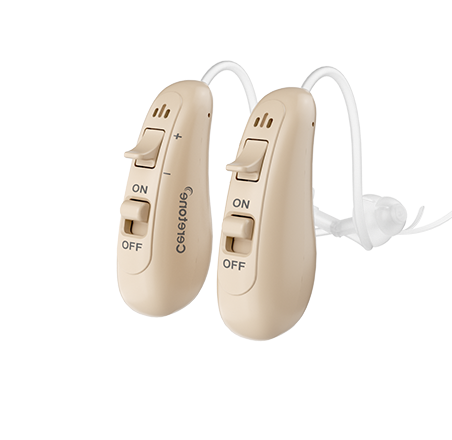


Why Do Hearing Aids Whistle (Feedback Noise)? Causes, Fixes, and Prevention Guide

Jun 29, 2026
6 min read
Hearing aid whistling, also known as feedback noise, is one of the most common issues users experience.
This high-pitched sound can be surprising at first, but in most cases it is caused by simple acoustic conditions—not device malfunction.
In this guide, we will explain exactly why hearing aids whistle, how feedback works, how to fix it immediately, and how to prevent it long-term.
Looking for stable sound performance without feedback issues?
Explore Ceretone Hearing Aids →What Is Hearing Aid Feedback (Whistling Noise)?
Feedback occurs when amplified sound escapes from the ear canal and re-enters the microphone of the hearing aid.
This creates a loop of repeated sound amplification, resulting in a high-pitched whistle or squeal.
Simple explanation:
- Sound enters microphone
- Sound is amplified
- Some sound leaks out of the ear
- Sound re-enters microphone
- Loop repeats → whistle occurs
This is known as an acoustic feedback loop.

Why Do Hearing Aids Whistle? (Main Causes Explained)
1. Poor Fit (Most Common Cause)
The most frequent cause of feedback is an improper seal inside the ear canal.
If sound can escape through small gaps, it re-enters the microphone and triggers a loop.
- Wrong ear tip size
- Loose dome or earmold
- Incorrect insertion depth
Even a very small gap can cause noticeable whistling.
2. Volume or Gain Too High
When amplification is too strong, more sound leaks out of the ear canal.
This increases the probability of feedback loops forming.
Users often experience this when increasing volume too quickly after initial use.
3. Earwax Buildup
Earwax can interfere with sound transmission in two ways:
- Blocking sound output from the speaker
- Reflecting sound back toward the microphone
This creates an unstable acoustic environment that can trigger whistling.
4. Improper Insertion
If the hearing aid is not fully seated in the ear canal, the acoustic seal is incomplete.
This is especially common for first-time users of OTC hearing aids.
5. Worn or Incorrect Ear Tips
Ear tips degrade over time and lose elasticity.
This reduces sealing performance and increases feedback risk.
- Hardened silicone domes
- Incorrect size selection
- Damaged or stretched tips
6. External Interference (Hair, Glasses, Hats)
Physical contact near the microphone can redirect sound back into the device.
Even small interference can cause intermittent whistling.
7. Device Gain Not Properly Tuned
Hearing aids amplify different frequencies based on hearing profiles.
If gain is too aggressive in certain frequencies, feedback is more likely to occur.
How to Stop Hearing Aid Whistling Immediately
If feedback is happening right now, try these steps:
Step 1: Reinsert the device
Remove and reinsert the hearing aid to ensure proper seal.
Step 2: Lower volume
Reduce amplification by 10–20% temporarily.
Step 3: Check earwax
Ensure the ear canal is not blocked. Do not insert objects into the ear.
Step 4: Try different ear tips
A better-fitting dome often eliminates feedback instantly.
Step 5: Remove external interference
Ensure hair, glasses, or hats are not touching the device.
Step 6: Restart device
Digital hearing aids may recalibrate automatically after restart.
Why Feedback Happens More in OTC Hearing Aids
Over-the-counter hearing aids are designed for self-fitting, which increases usability but also increases variability in fit quality.
Common reasons include:
- Different ear canal shapes across users
- Incorrect dome size selection
- Self-adjusted gain settings
As a result, minor fitting issues can more easily lead to feedback compared to professionally fitted devices.
Modern devices such as those from Ceretone use adaptive feedback suppression to reduce whistling in real time.
Want a more stable listening experience?
See Best OTC Hearing Aids →Long-Term Fixes for Feedback Noise
1. Ensure Proper Fit
A correct seal is the foundation of stable sound performance.
2. Use Correct Dome Size
- Small: higher leakage risk
- Medium: balanced performance
- Large: strongest seal
3. Optimize Gain Settings
Excess amplification is a hidden cause of persistent feedback.
4. Professional Calibration
Even OTC hearing aids benefit from tuning based on hearing profiles.
5. Feedback Suppression Technology
Modern hearing aids use adaptive algorithms to cancel feedback before it becomes audible.
Why Quick Fixes Don’t Always Last
Temporary solutions like lowering volume may stop feedback momentarily, but the issue often returns if the root cause is fit or seal quality.
Long-term resolution requires proper fitting and stable gain configuration.
How to Prevent Hearing Aid Whistling
Daily Maintenance
- Insert device correctly each time
- Avoid blocking microphone
- Check fit before use
Weekly Maintenance
- Clean ear tips
- Inspect for wear or damage
Monthly Maintenance
- Replace hardened domes
- Recalibrate settings if needed
Important Note
This article is for educational purposes only and is not a substitute for professional hearing evaluation or medical advice.
Feedback noise is a normal acoustic phenomenon and does not indicate device damage in most cases.
FAQ
Why does my hearing aid whistle when I hug someone?
Because the microphone is temporarily blocked or sound reflects back into the device.
Why does feedback only happen on one side?
This is usually due to differences in ear shape, wax buildup, or fit inconsistency.
Does whistling mean my hearing aid is broken?
No. It is usually related to fit, volume, or earwax.
Can hearing aid feedback be completely eliminated?
With proper fitting and modern suppression technology, feedback can be greatly reduced or eliminated in most cases.
Final Thoughts
Hearing aid whistling is a common but highly manageable issue.
Most cases are caused by three factors: fit, volume, and sealing quality.
Once properly optimized, modern hearing aids can deliver stable and clear sound with minimal feedback.
Ready for clearer hearing with fewer interruptions?
Explore Ceretone Hearing Aids →Latest Articles


