







Mild vs Moderate Hearing Loss: What’s the Difference and Why It Matters

Jun 29, 2026
4 min read
Hearing loss is not all the same. Understanding the difference between mild and moderate hearing loss is essential for choosing the right hearing support and preventing further decline.
In this guide, we explain how each level affects hearing, daily life challenges, and what type of hearing aids are typically recommended.
What Is Hearing Loss?
Hearing loss refers to a reduced ability to hear sounds compared to normal hearing. It can affect one or both ears and range from mild difficulty hearing soft sounds to complete hearing loss.
It is typically measured in decibels (dB), which indicates how loud a sound must be for a person to hear it.
What Is Mild Hearing Loss?
Mild hearing loss usually means difficulty hearing soft sounds and understanding speech in noisy environments.
Typical hearing range:
- 26–40 dB hearing loss
Common symptoms:
- Asking others to repeat themselves
- Difficulty hearing in background noise
- Missing soft speech sounds (like “s” or “th”)
- Turning up TV volume slightly higher than others prefer
Many people with mild hearing loss delay treatment because they still hear most conversations in quiet environments.
What Is Moderate Hearing Loss?
Moderate hearing loss means conversations become significantly harder to understand without amplification.
Typical hearing range:
- 41–55 dB hearing loss
Common symptoms:
- Difficulty hearing normal conversation without repetition
- Struggling in group conversations
- Missing speech even in quiet environments
- Relying heavily on lip reading
At this stage, hearing support becomes much more necessary for daily communication.
Mild vs Moderate Hearing Loss (Key Differences)
| Feature | Mild Hearing Loss | Moderate Hearing Loss |
|---|---|---|
| Hearing difficulty | Soft sounds, noisy environments | Normal conversation |
| Speech clarity | Mostly clear in quiet rooms | Often unclear without help |
| Social impact | Occasional frustration | Frequent communication difficulty |
| Need for hearing aids | Recommended for improvement | Strongly recommended |
How Each Type Affects Daily Life
Mild Hearing Loss Impact
People may still function normally but experience fatigue in conversations and reduced clarity in noisy environments.
Moderate Hearing Loss Impact
Communication becomes effortful, leading to social withdrawal or misunderstanding in daily conversations.
What Causes Mild to Moderate Hearing Loss?
- Aging (most common cause)
- Long-term noise exposure
- Earwax blockage
- Genetic factors
- Inner ear damage over time
Do You Need Hearing Aids?
In most cases:
- Mild hearing loss: Hearing aids are helpful but optional depending on lifestyle needs
- Moderate hearing loss: Hearing aids are strongly recommended for daily communication
Early intervention can help prevent further hearing decline and improve brain adaptation to sound.
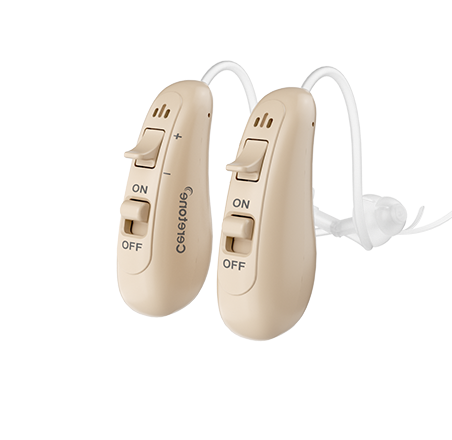
Explore hearing solutions designed for clarity and comfort.
View Ceretone Hearing Aids →Can Mild Hearing Loss Become Worse?
Yes. Without intervention, mild hearing loss can gradually progress to moderate or severe hearing loss, especially with continued noise exposure or aging.
Using hearing support early may help improve auditory stimulation and reduce listening fatigue.
EEAT Note
This article is for educational purposes only and does not replace professional hearing evaluation or medical advice. If you suspect hearing loss, consult a licensed hearing professional.
FAQ
Is mild hearing loss serious?
It is not severe, but it can still affect communication in noisy environments and should not be ignored.
Do I need hearing aids for moderate hearing loss?
Yes, most people with moderate hearing loss benefit significantly from hearing aids.
Can mild hearing loss get worse?
Yes, especially without protection from noise exposure or treatment.
What is the main difference between mild and moderate hearing loss?
The main difference is how much speech clarity is affected in everyday environments.
Latest Articles


