






Hearing Aids Under $500: Are They Worth It?

May 27, 2026
11 min read
Shopping for hearing aids under $500 is mostly about understanding priorities.
At this price range, the biggest question usually is not:
“Which hearing aid has the most features?”
Instead, it’s:
“Which hearing aids will actually improve everyday use?”
Many hearing devices under $500 look very similar online. Product pages frequently highlight AI-powered sound features, maximum amplification levels, Bluetooth connectivity, and extensive technical specifications.
But in real-world use, some features matter much more than others.
This guide focuses specifically on the buying-decision side of hearing aids under $500:
- Where the money usually goes,
- Which features are genuinely worth paying for,
- Which marketing claims deserve skepticism,
- How to choose the right OTC hearing aid based on lifestyle and priorities.
If you'd like a deeper explanation of why traditional hearing aids can cost several thousand dollars, you can also read: Why Are Hearing Aids So Expensive.
Where Does the Money Actually Go Under $500?
As hearing aid budgets increase, improvements are usually less about “making sounds louder” and more about refinement and convenience.
| Budget Range | What Usually Improves |
|---|---|
| Under $100 | Basic amplification and limited sound refinement |
| $100–$300 | Better speech clarity, improved comfort, more usable daily operation |
| $300–$500 | Rechargeability, smoother overall experience, better long-term wearability |
One common misconception is that spending more mainly increases amplification power.
In reality, higher-priced OTC hearing aids under $500 often focus more on speech clarity, fit, charging convenience, and reliable performance during everyday use.
That does not mean everyone needs the highest-priced option. Some buyers mainly want occasional support for television or quieter conversations, while others prioritize all-day daily wear.
The right choice depends more on lifestyle fit than on raw specifications.
What Is Usually Worth Paying More For?
Not every feature improves the real-world experience equally. Some features consistently provide more practical value than others.
| Feature | Usually Worth Prioritizing? | Why It Often Matters |
|---|---|---|
| Rechargeable batteries | Usually yes | Easier daily management and charging convenience |
| Speech clarity | Usually yes | Conversations matter more than raw loudness |
| Comfortable fit | Usually yes | Affects long-term wear consistency |
| Straightforward controls | Usually yes | Simpler operation improves usability |
| Bluetooth streaming | Depends on the user | Useful for calls/media, less critical for some buyers |
| Advanced app customization | Depends on the user | Many users rarely adjust detailed settings |
| “AI sound technology” claims | Be cautious | Marketing terminology varies significantly |
| Maximum amplification claims | Often overrated | Louder sound does not always improve clarity |

Rechargeable Batteries
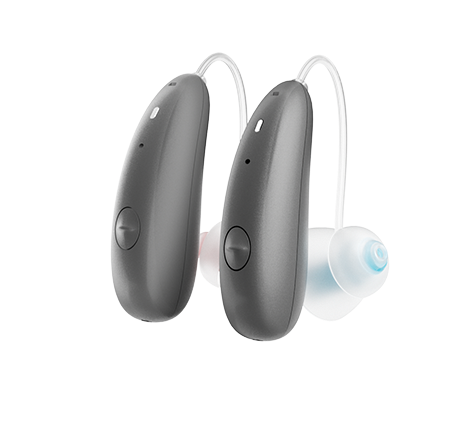
Rechargeable hearing aids are often one of the most worthwhile upgrades under $500.
Charging convenience affects everyday routines far more than many buyers initially expect. Rechargeable models are usually simpler to maintain and more practical for travel, bedside charging, and consistent daily use.
If the budget allows for it, rechargeability is often worth prioritizing early.
Speech Clarity
Maximum amplification and speech clarity are not the same thing.
Some lower-cost products focus heavily on loudness but do not improve conversations very effectively.
For many buyers, hearing aids that make speech sound clearer and more natural provide a noticeably better experience than products mainly emphasizing stronger amplification numbers.
Comfort and Fit
Even good sound quality becomes less important if hearing aids feel uncomfortable after extended wear.
Fit affects wear time, consistency of use, and overall listening experience.
Lightweight designs, stable fit, and appropriate ear tip sizing often matter more long term than buyers initially expect.
Straightforward Operation
Many first-time buyers assume advanced customization automatically creates a better experience.
In practice, hearing aids that feel simple, predictable, and easy to operate daily are often preferred over products with complicated controls that most users rarely adjust.
Straightforward controls and reliable charging routines usually matter more than deep technical customization for many OTC hearing aid buyers.
Which Marketing Claims Matter Less Than Buyers Expect?
Some heavily marketed features sound impressive online but do not always improve everyday satisfaction as much as buyers initially assume.
“AI Sound Technology”
“AI-powered sound” has become a common phrase in hearing aid advertising.
However, the term itself can mean very different things depending on the product.
In many cases, buyers benefit more from reliable speech clarity, comfortable daily wear, and consistent usability than from heavily branded AI terminology.
If a product page strongly emphasizes AI branding while saying very little about speech support, fit, comfort, or return policy, it is usually worth evaluating more carefully.

Maximum Amplification Claims
Louder hearing does not automatically mean clearer conversations.
Products heavily focused on amplification strength may not necessarily improve speech understanding very effectively.
This is especially important when comparing amplifiers versus legitimate OTC hearing aids.
Extremely Long Feature Lists
A hearing aid with more features is not automatically a better fit.
Some buyers end up paying extra for advanced customization they rarely use.
For many first-time OTC hearing aid users, consistency and simplicity matter more than extensive technical controls.
Which Hearing Aid Style Fits Different Priorities?
Different hearing aid styles are designed around different preferences and daily routines.
The best option usually depends more on user priorities than on technical specifications alone.
| User Priority | Features Often Worth Prioritizing |
|---|---|
| Mainly watches TV | Comfort, stable fit, simple controls |
| Frequently travels | Rechargeable convenience |
| First-time hearing aid user | Straightforward setup and operation |
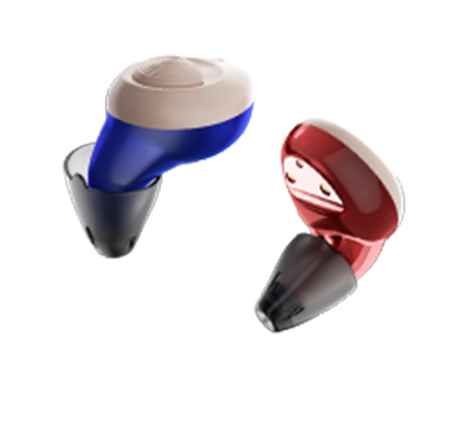
| Prioritizes discreet everyday wear | Lower-profile in-canal styles |
| Wants easier handling | Larger controls and easier charging |
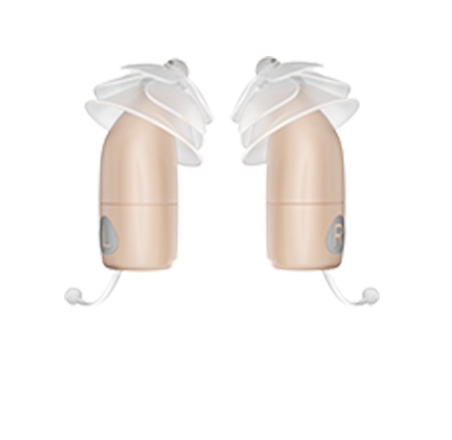
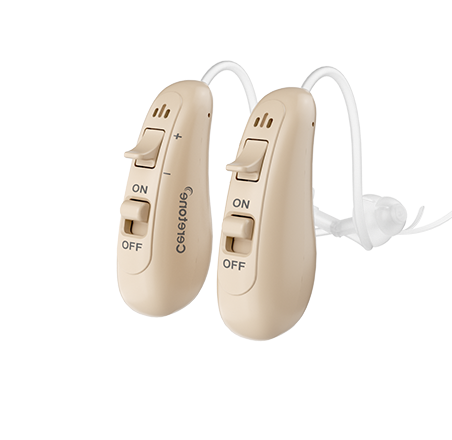
For example, users prioritizing discreet everyday wear may compare in-canal OTC hearing aid styles such as Ceretone Core One Pro OTC Hearing Aids.
Many users prefer this type of design because it feels more natural and less noticeable during daily interactions.
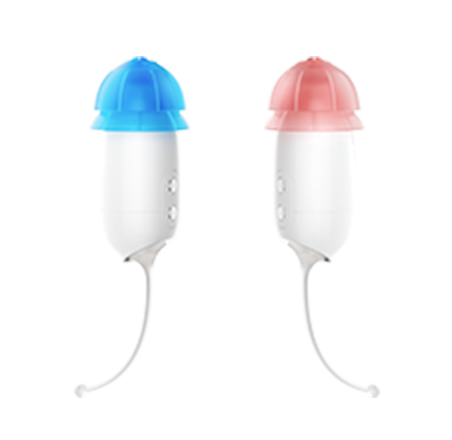
Different styles simply fit different preferences. Some users prioritize discreet appearance, while others care more about charging simplicity or easier handling.
If Your Budget Is Close to $500, Prioritize These First
If the budget is approaching the higher end of the under-$500 category, we would usually prioritize these five things first:
- Speech clarity
- Rechargeable convenience
- Comfortable long-term fit
- Straightforward operation
- A reasonable return policy
These usually matter more than vague AI marketing, extreme amplification claims, or feature lists that sound impressive but are rarely explained clearly.
In many cases, a hearing aid that feels easy and comfortable to use consistently creates a better long-term experience than one focused heavily on technical marketing language.
Common Buying Mistakes Under $500
One common mistake is focusing almost entirely on specifications without considering how hearing aids will fit into daily routines.
For example, users mainly watching TV at home may prioritize comfort and simplicity, while users frequently in social environments may care more about speech clarity in background noise.
Another mistake is assuming louder automatically means better.
Speech clarity usually matters more than raw amplification strength.
Some buyers also underestimate the importance of return policies. Hearing aids are highly personal products, and comfort or fit preferences can vary significantly between users.
A trial period or return policy often becomes much more valuable after several days of real-world use.
A Simple Buyer Checklist Before Purchasing
Before purchasing hearing aids under $500, it often helps to ask:
| Question | Why It Matters |
|---|---|
| Is this a legitimate OTC hearing aid or mainly an amplifier? | Some low-cost products mainly increase overall volume |
| Is the hearing aid rechargeable? | Rechargeable devices are often easier long term |
| Will the controls feel easy for me to use daily? | Simpler operation often improves consistency |
| Does this style match my lifestyle and preferences? | Different styles fit different routines |
| Is there a return policy or trial period? | Comfort and fit are highly personal |
| Will I mainly use these for TV, conversations, or social environments? | Different priorities affect which features matter most |
OTC vs Prescription Hearing Aids
Many buyers also wonder whether OTC hearing aids are “real” hearing aids.
OTC hearing aids are intended for adults with perceived mild to moderate hearing loss and are regulated differently from prescription hearing aids.
Prescription hearing aids are generally intended for more severe hearing loss, complex hearing needs, or users requiring professional fitting and clinical support.
For many adults, OTC hearing aids provide a more affordable and accessible starting point.
You can learn more here: OTC vs Prescription Hearing Aids.
Final Thoughts
The best hearing aid under $500 is not necessarily the one with the longest feature list or the strongest marketing claims.
For many buyers, the most important factors are usually speech clarity, comfort, rechargeability, ease of operation, and whether hearing aids fit naturally into everyday routines.
Modern OTC hearing aids can now provide meaningful hearing support for many adults with perceived mild to moderate hearing loss without the extremely high cost traditionally associated with hearing care.
If you’re exploring affordable OTC hearing aids, you can browse Ceretone’s collection here: Ceretone OTC Hearing Aids.
You may also find these guides helpful:
Latest Articles


